One of the most common debates in the equestrian world is whether mares or geldings make better competition horses. Riders swap stories, trainers offer strong opinions, and everyone seems to have a favourite—for good reason. Both mares and geldings bring unique strengths to the arena, and both have characteristics that can influence how they perform, how they behave, and how easily they partner with a rider. But the real answer isn’t as simple as saying one is universally better than the other. Instead, it depends on the individual horse, the discipline, and the rider’s own preferences.
Still, understanding the general tendencies of mares and geldings can help riders make more informed choices.
Whether you’re shopping for your next competition partner or simply trying to understand your current horse better, it’s worth taking a closer look at the natural strengths each sex tends to bring to the table.
The Case for Geldings: Calm, Consistent, and Reliable
Geldings are often the choice for riders who value predictability and composure. Because they’ve been castrated, geldings typically lack the hormonal swings that can sometimes influence mares’ behaviour. This steadiness is one of the biggest reasons they are so popular in competitive environments.
Geldings tend to have even temperaments, making them easier for many riders—especially juniors, amateurs, or anyone who prefers a horse that responds the same way from one day to the next. In high-pressure settings, such as busy show grounds or new environments, this consistency can be a major advantage.
Many geldings are also wonderfully focused and uncomplicated to train. They’re often described as level-headed partners who simply show up and do their job. For riders who feel more confident with a predictable ride, or for disciplines that reward consistency and accuracy, such as dressage, geldings fit beautifully.
That said, geldings aren’t without drawbacks. Some riders find that geldings can occasionally lack the competitive edge or quick-witted intensity seen in some mares. Of course, this varies widely between individuals—plenty of geldings are fierce competitors.
The Case for Mares: Intelligent, Competitive, and Loyal
Mares have earned a reputation for being sensitive, opinionated, and at times “complicated”—but experienced riders often regard these traits as strengths rather than flaws. A great mare is incredibly intelligent and deeply connected to her rider. Once a mare bonds with someone, she often gives everything she has.
One of the most commonly praised characteristics of mares is their competitive spirit. Many trainers notice that mares have a natural drive and determination, especially once they understand their job. In fast or high-intensity disciplines such as show jumping, eventing, and endurance, mares frequently rise to the top because they combine athleticism with grit.
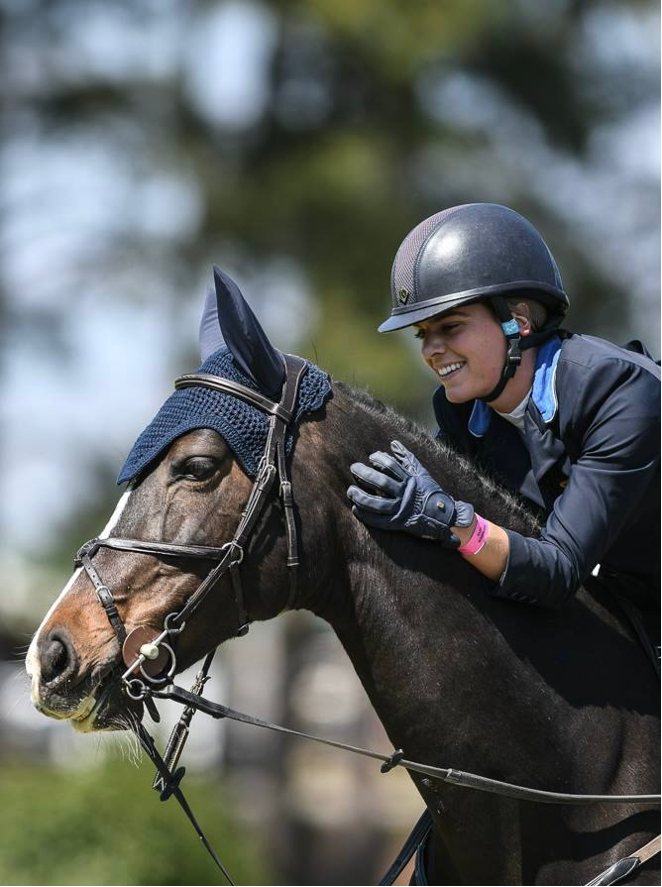
Mares are also known for being highly responsive and sensitive. For riders who enjoy a horse with sharper reactions and a more electric feel, a mare can be a dream partner. They often think quickly, learn fast, and offer a level of engagement that some riders find incredibly rewarding.
Of course, mares do come with challenges. Their hormonal cycles can influence mood or comfort, though modern management tools—such as supplements, veterinary support, or regulated routines—can help minimize these fluctuations. Some mares are more reactive or defensive than geldings, especially if pushed too hard or misunderstood, so they often thrive best with calm, tactful riding.
So, Who’s Better?
The truth is simple: there is no universal “better” competition horse. Some riders thrive with the fiery brilliance of a good mare. Others prefer the calm consistency of a trustworthy gelding. What matters most is matching a horse’s personality, energy, and way of going with the rider’s style and goals.