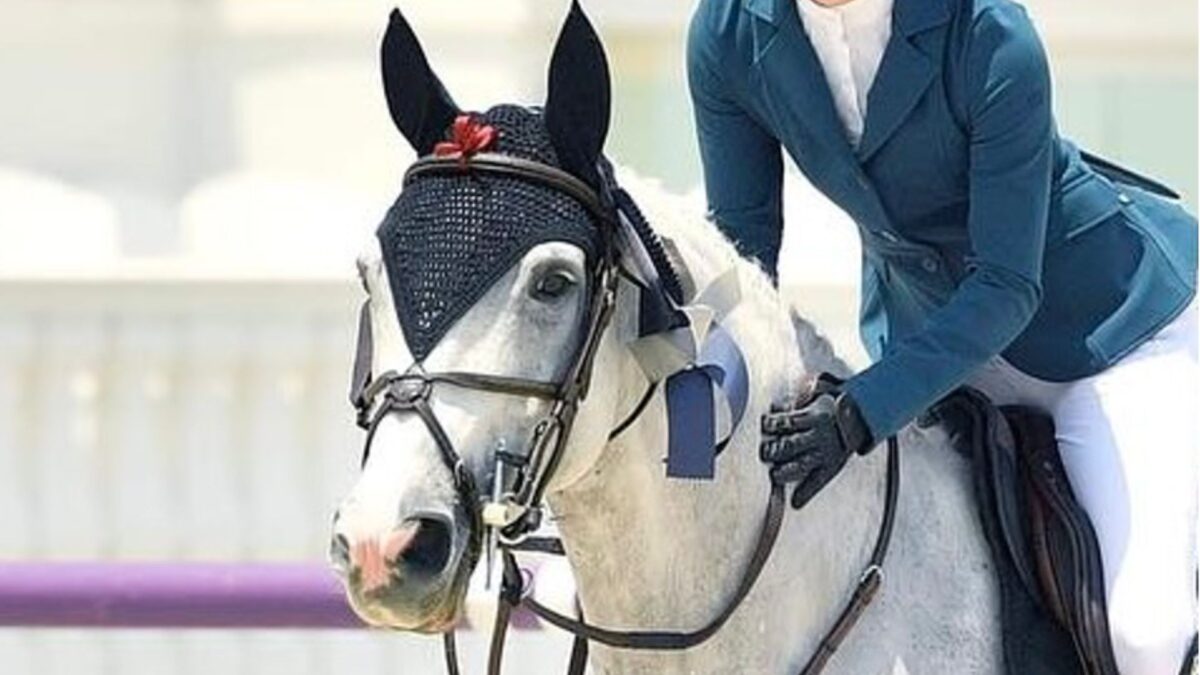
If you’ve ever felt like searching for the right competition horse is emotionally draining, financially stressful, and borderline impossible, you’re not alone. Riders at every level — from grassroots competitors to seasoned professionals — say the same thing: finding “the one” is one of the hardest parts of the sport. But why is it so difficult?
The answer isn’t just that horses are expensive or that the market is competitive. The real reason is that choosing a competition horse is a balancing act involving physical ability, mental soundness, long-term potential, and personal compatibility. When you break it down, you start to see that the “perfect” horse is rare not because riders are picky, but because the demands of competition are complex.
The Rare Mix of Talent and Mindset
A good competition horse needs far more than athletic ability. They need a mind that can handle pressure, repetition, and the unexpected challenges of training and competition. While many horses have scope, movement, or power, fewer have the temperament to match.
A competition horse ideally is:
- Brave but not reckless
- Sensitive but not reactive
- Forward but still rideable
- Willing to work but not easily stressed
This blend is incredibly uncommon. You might find a horse with stunning movement but a spooky nature, or a bold jumper who hates flatwork, or a calm, reliable horse who simply lacks the athleticism for higher levels. It’s not that good horses don’t exist — it’s that the bar for competition is high, and the overlap between “athletic” and “mentally suitable” is small.
Soundness
Even a horse that ticks every box on paper may not stay sound enough for the level you want to compete at. Sport horses work hard, and the physical demands of jumping, collection, speed, and repetition take a toll. Vettings can identify some vulnerabilities, but they can’t predict the future.
It’s not unusual for a promising youngster to develop:
- Arthritic changes
- Soft-tissue injuries
- Hoof issues
- Management-heavy conditions
This creates risk for buyers. You’re not just looking for a horse that is sound — you need one likely to stay sound under the workload you’re aiming for. That unknown makes the search harder and more stressful.
Rider–Horse Compatibility
A horse that looks perfect on video — or goes beautifully for someone else — may not be the right match for you. Compatibility is one of the most underrated factors in horse buying, and it has nothing to do with skill level.
You’re looking for a horse whose natural rhythm, sensitivity, and personality match yours. Some riders thrive on hot, sharp, brilliant types; others prefer more steady, methodical horses. Some horses need confident riders; others need quiet riders; some need creative riders who like problem-solving.
A rider and horse can both be talented and well-trained, yet still feel mismatched because their instincts don’t align. That’s why “perfect on paper” doesn’t always translate to perfect in real life.
The Best Horses Sell Fast — and High
In many regions, it’s not just that good horses are rare; it’s that good horses are highly sought after. If you’re shopping in a competitive discipline like eventing, dressage, or jumpers, you’re up against professional buyers, well-funded juniors, and riders who have connections with breeders and agents. The moment a horse with big potential hits the market, the race begins.
This leads to:
- High prices
- Quick sales
- Horses never being publicly listed at all
It’s not unusual for people to feel like they’re constantly “just missing” the right horse — because demand is simply stronger than supply.
Horses Change as They Develop
Even if you find a fantastic young prospect, progress isn’t always simple. Growth spurts, confidence dips, changes in training, and physical maturity all play a role. That sweet, rideable four-year-old might go through a challenging stage at six. The horse that seems limited at seven might suddenly unlock new ability at nine.
Your Needs Evolve, Too
Rider’s needs change. Goals change. A horse that once felt ideal might no longer suit you after a year or two. Maybe you’ve become braver, more competitive, more technical — or maybe you’ve realized you value confidence and consistency over power and talent.
The Bottom Line
If finding a competition horse feels daunting, it’s because the process is genuinely challenging. You’re trying to match body, mind, ability, potential, personality, and partnership — all in one animal. But the difficulty is also what makes it so rewarding once you finally find the right one. The perfect horse may not exist, but the right horse does, and the search is worth it.