In showjumping, early success is appealing to most riders and owners. A talented 5-year-old jumping clear rounds, winning young horse classes, and attracting attention can feel like a dream scenario. But beneath the surface, early achievement often comes with trade-offs that aren’t immediately visible—particularly when horses are pushed to perform before their bodies and minds are fully developed.
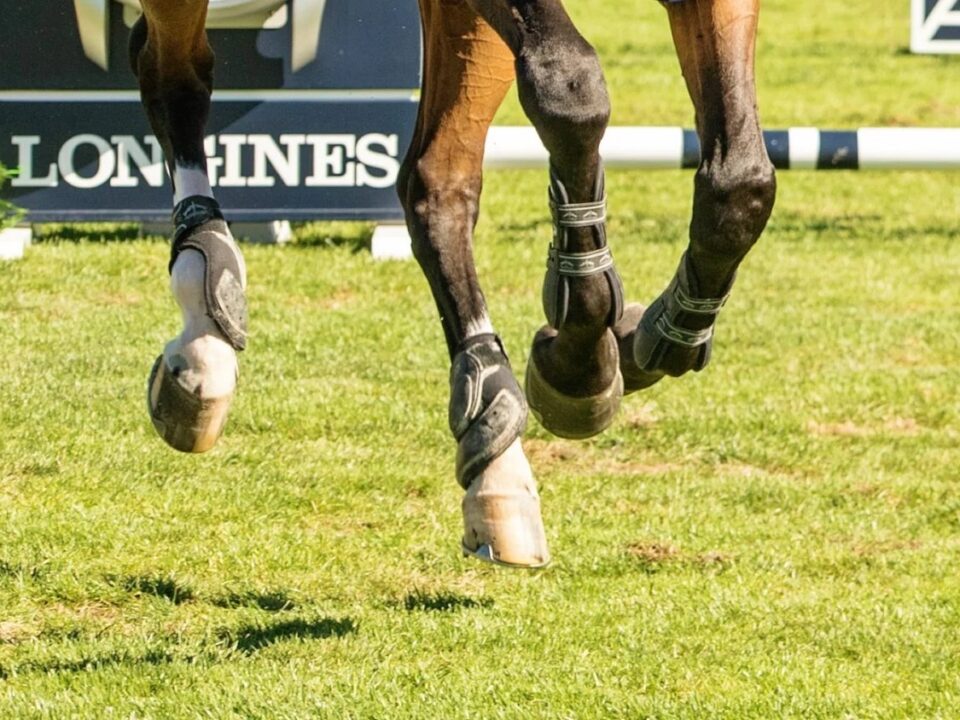
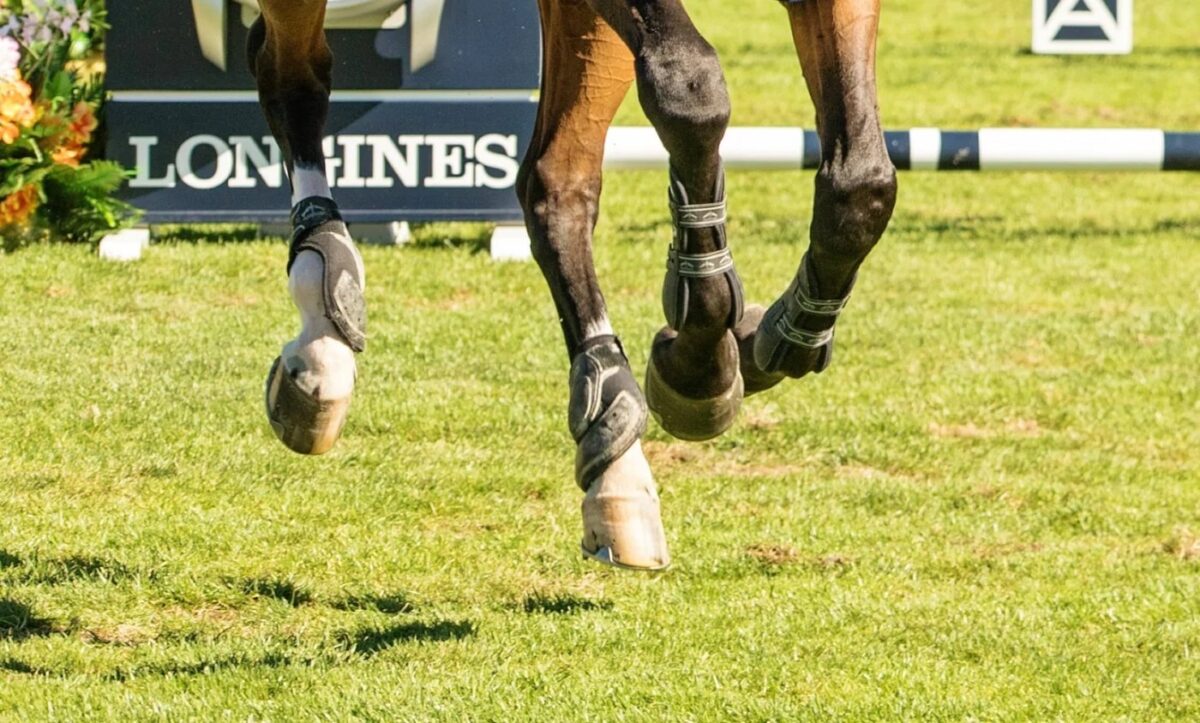
Young horses are still growing, and this has significant implications for how much physical stress they can handle. In showjumping, every jump involves considerable force—especially on landing. The fetlocks, tendons, ligaments, and joints absorb repeated impact, and in a developing horse, these structures are not yet fully conditioned. Growth plates, particularly in the spine and pelvis, may still be open in horses under five or even six years old.
When a young horse is naturally talented—scopey, careful, and brave—it’s easy to increase the workload. They jump bigger fences earlier, compete more frequently, and move up levels faster than their peers. This is where problems begin. Repetitive jumping at height, combined with tight turns and technical courses, can lead to cumulative strain. Over time, this increases the risk of issues like suspensory injuries, joint degeneration, and chronic lameness.
This dynamic creates what might be called the “scope trap.” A horse with natural ability can compensate for a lack of strength or balance in the short term. They clear fences cleanly, often winning classes, but they may be doing so with inefficient biomechanics—jumping flat, hollowing their back, or relying on speed rather than correct technique. Because they’re successful, these flaws are often overlooked or even reinforced through repetition.
However, these compensations come at a cost. The horse’s back and core—essential for proper jumping form—are among the last areas to fully develop. Without adequate strength in these regions, the horse cannot consistently produce a correct bascule or stabilize effectively on landing. Over time, poor movement patterns become ingrained, limiting the horse’s ability to progress to higher levels.
Equally important is the mental side of development. Showjumping is not just physical; it requires confidence, understanding, and composure. Young horses pushed too quickly into bigger or more technical tracks may initially cope due to boldness, but repeated exposure without proper preparation can erode confidence. Mistakes begin to happen—rails fall, distances go wrong—and the horse starts to anticipate pressure.
This often results in behavioural changes: rushing fences, hesitating, or becoming overly tense. In some cases, the horse becomes “careful but worried,” a combination that leads to inconsistency and stress. What looked like early promise can quickly turn into a training challenge.
Another contributing factor is the structure of young horse competitions. Most classes reward clear rounds and carefulness, but they don’t always prioritise correct technique or long-term development.
From an economic perspective, early success increases a horse’s value. This creates a strong incentive to prioritise short-term results over long-term soundness. The more a horse wins early, the more it is asked to do, and the harder it becomes to step back and focus on foundational training.
But in showjumping, the true measure of success isn’t what a horse achieves at five. It’s whether that horse is still sound, competitive, and improving at ten, twelve, or beyond. Horses that are produced more gradually—given time to develop strength, balance, and understanding—tend to have longer, more consistent careers. They peak later, but they also stay sounder and perform more reliably at higher levels.
A more sustainable approach emphasizes quality over quantity. This means limiting the number of jumps in training, focusing on gymnastic exercises rather than height, and prioritising flatwork to develop balance and adjustability. It also means being selective about competition exposure—using shows as part of the horse’s education, rather than a test of its limits.
Early success in showjumping isn’t inherently a problem. But when it’s driven by premature intensity or accelerated progression, it often leads to hidden costs that only become apparent later. The horses that ultimately reach the top of the sport are rarely the ones rushed there. They are the ones given the time and structure to develop properly—physically, technically, and mentally.