When transporting horses, several rules and guidelines apply, particularly concerning safety, welfare, and legal requirements. Key considerations include having the correct driving license, ensuring the horse's passport is present, and adhering to regulations for commercial transport. Additionally, if transporting horses for business, specific certifications and permits may be needed.
In short, if you transport a horse with a horsebox or trailer you need to make sure you:
- have the right driving licence for the weight of your vehicle or trailer
- have an operator licence (if you need one)
- are qualified to transport horses if you’re travelling for over 8 hours
- do not overload your vehicle or trailer
- carry out regular safety checks
- have a valid MOT for your vehicle or trailer
- follow rules on animal welfare
Do I need an operator’s license?
You’ll usually need an operator licence if you use horseboxes or a vehicle and horse trailer and you either:
- are paid money (directly or indirectly) to transport horses
- receive payment (directly or indirectly, for example from prize money) as a result of transporting horses
- use the horseboxes for a professional activity You do not need an operator licence if you’re only transporting horses or goods for non-commercial purposes (such as leisure activities).
Research has shown that horses prefer to travel facing backwards and for that reason, most larger lorries have partitions which are herring boned with the horse facing slightly towards the rear ramp. Traditional trailers are always forward-facing but rear facing ones are becoming more popular and a lot of 3.5 tonne vehicles are now designed to be rear facing.
However, your horse travels it is important that there is sufficient, but not too much room in their partition – not enough and the horse will feel claustrophobic –and there will be too little space for the air to circulate. Too large a partition and they will have nothing to support them if you have to break suddenly.
Airflow
Regarding airflow, ventilation is vitally important, not only to keep the horse cool but also to allow any fungal spores or pathogens to be moved away.
If there is no air movement the horse will be effectively re-breathing any dust and virus particles along with stale air. If your horse has any breathing problems at all it is vital that any forage supplied is dust free due to the enclosed environment of the horsebox or trailer, soaked or steamed hay is preferable.
Travelling safely during a hot summer season
Careful planning is required for horses that are travelling during hot and humid conditions.
Research studies have shown that horses can become fluid deficient after a period of transportation and this deficit is especially high during hot and humid conditions.
It is essential to maintain fluid and daily electrolyte balance for successful adaptation to the hot environment before the start of travel electrolytes should be part of a horse’s daily diet and not just before travel or competition. Extra electrolytes may be necessary along with sufficient water during particularly hot conditions and especially if the horses are sweating.

Preventing dehydration when travelling
It is vital that the horse is hydration levels are correct prior to the onset of travel and are maintained during the journey. Rest stops should be part of your journey, allowing horses to drink fluids will hugely help reduce dehydration.
Keep the lorry cool
The use of fans, open windows or air vents during the journey can be used to cool your horse and regular use of cold water on the body, if necessary, will reduce the rate at which heater is stored.
What should my horse travelling when it’s hot?
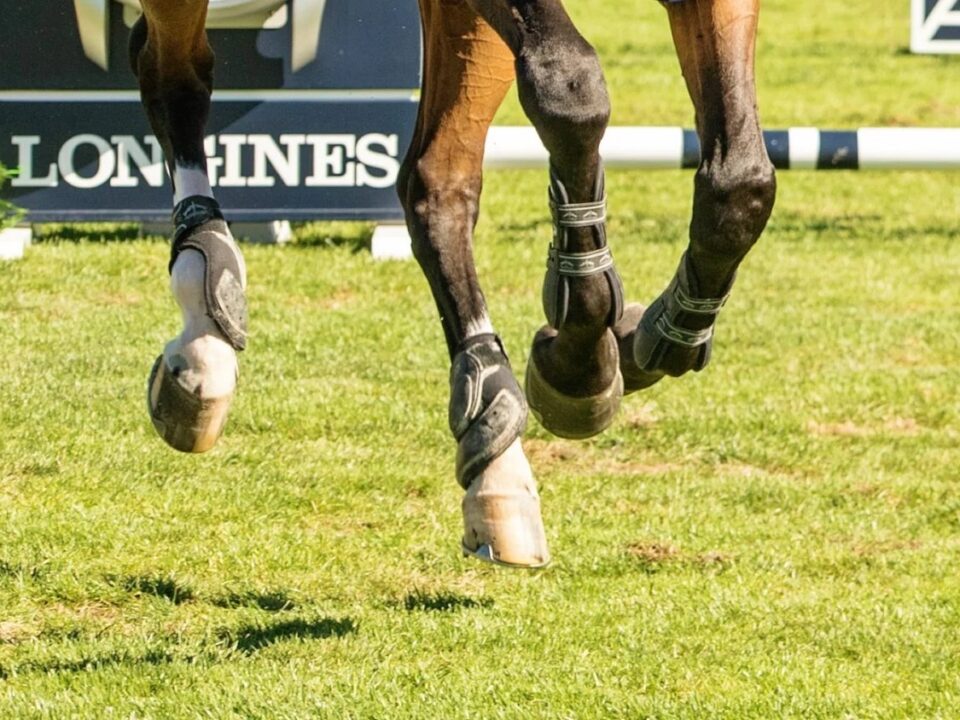
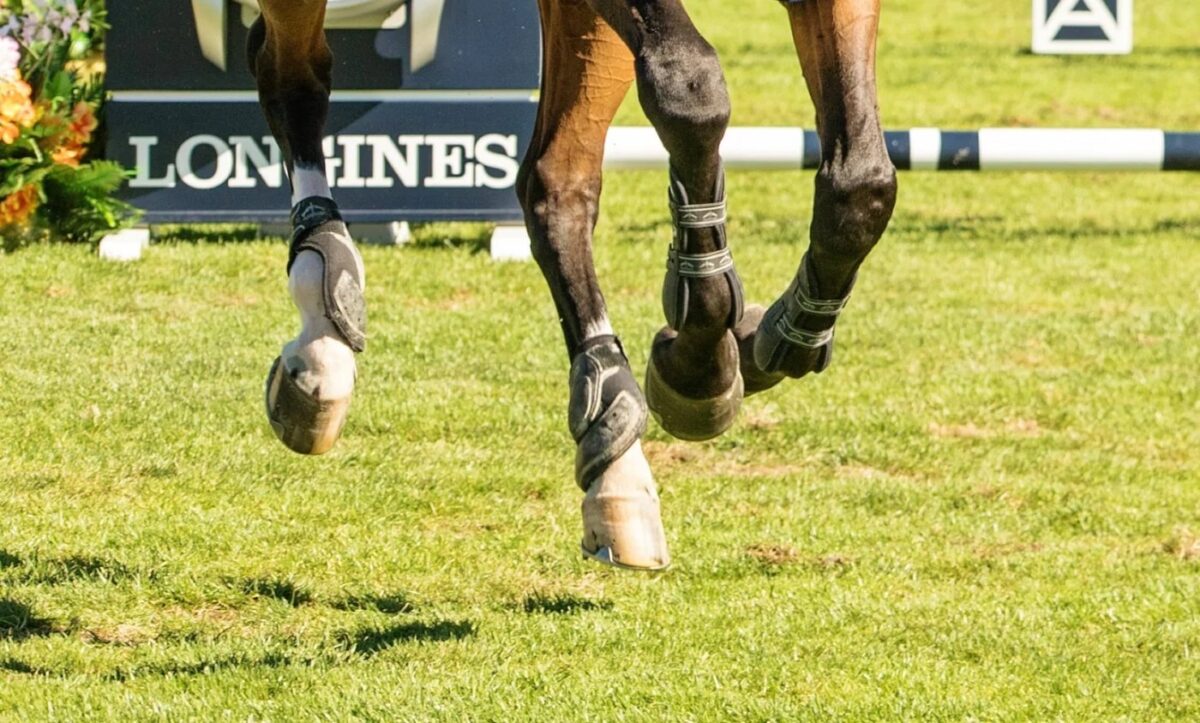
The use of rugs and bandages during travelling in hot humid conditions are not recommended as it will impair heat dissipation mechanisms reducing the potential for heat loss. Travel boots that allow airflow will help reduce the
potential for tendon overheating an extreme heat. Cold housing limbs at regular intervals during transportation is also beneficial.
Key points to consider:
- Timing: Travel early in the morning or late in the evening, when temperatures are lower, and avoid peak traffic times.
- Ventilation: Ensure good airflow through the trailer by opening windows and vents.
- Water: Carry plenty of water and consider a water carrier or bucket.
- Forage: Provide access to good quality forage throughout the journey, as it aids hydration and provides energy.
- Contingency Plan: Be prepared for potential delays or breakdowns with extra water, forage, and a well-stocked first-aid kit.
- Route Planning: Plan the route carefully, considering potential delays, traffic, and road closures.
- Safety: Ensure the horse is properly secured in the trailer/lorry with a quick-release tie and a short rope to prevent injury.
- Horse Passport: Remember that it is illegal to transport a horse without its passport.
- Competence: If transporting horses for commercial purposes on journeys over 65km, a Certificate of Competence is required.
You know your horse better than anyone, preparation before travelling and then keeping an eye on your horses during travel is essential for the prevention of heat exhaustion and heat stroke. Remember prevention is best and enjoy the journey!