Riding on the correct diagonal produces a more balanced horse, and plays an important role in keeping your horse sound.
So, whether you are schooling or hacking using your diagonals equally is beneficial because:
- It ensures the horse’s hind legs take an equal workload.
- It promotes suppleness through the horse’s back.
- It allows their muscles to develop evenly.
- It helps to keep your horse balanced when riding around corners.
- All of the above is especially key when training young or inexperienced horses.
- It’s easier for a horse’s inside hind leg to step through if the rider is out of the saddle, allowing the horse to take a longer stride. Remember, that the hind legs create the energy and impulsion.
It is also beneficial for the rider to recognise the use of correct diagonal as it needs the rider to ‘feel’ the horse’s gait. This ‘feel’ is crucial to advancement for both rider and horse in further training and long-term progression, regardless of your chosen discipline.
Being aware of the horse’s movement
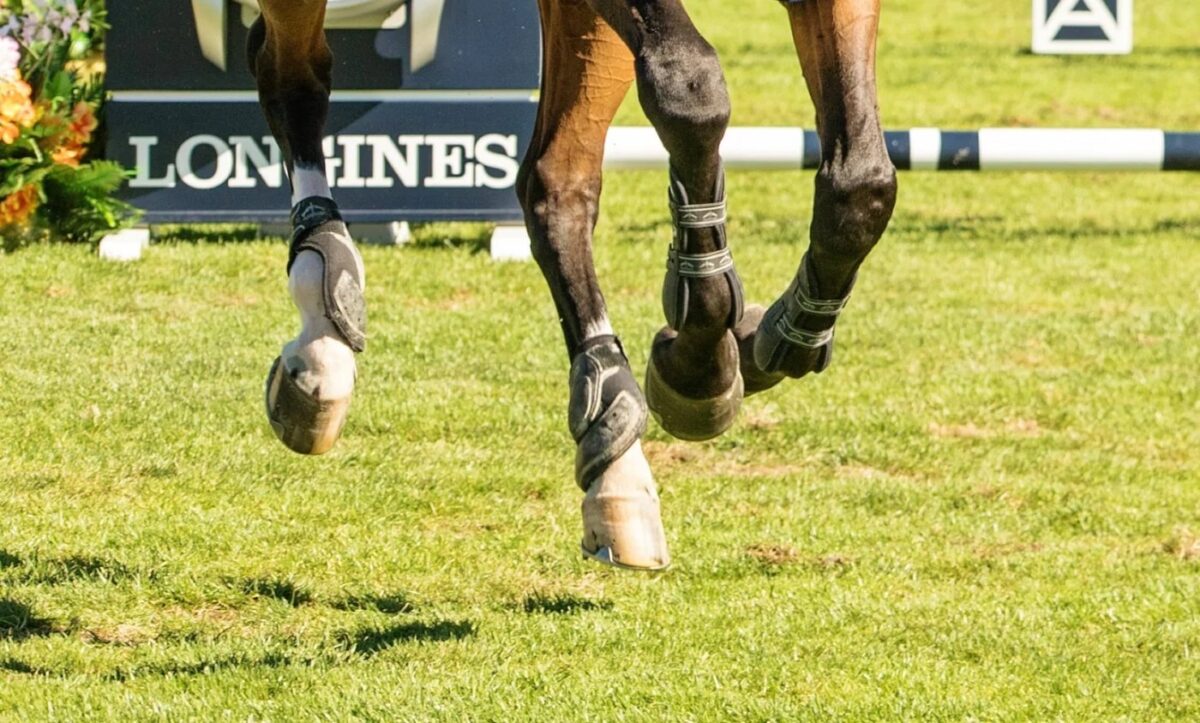
We learn that we have to coordinate the ‘rise’ moment with the moment that the horse's outside front shoulder swings forward. So, when that leg is off the ground, we are off the horse's back.
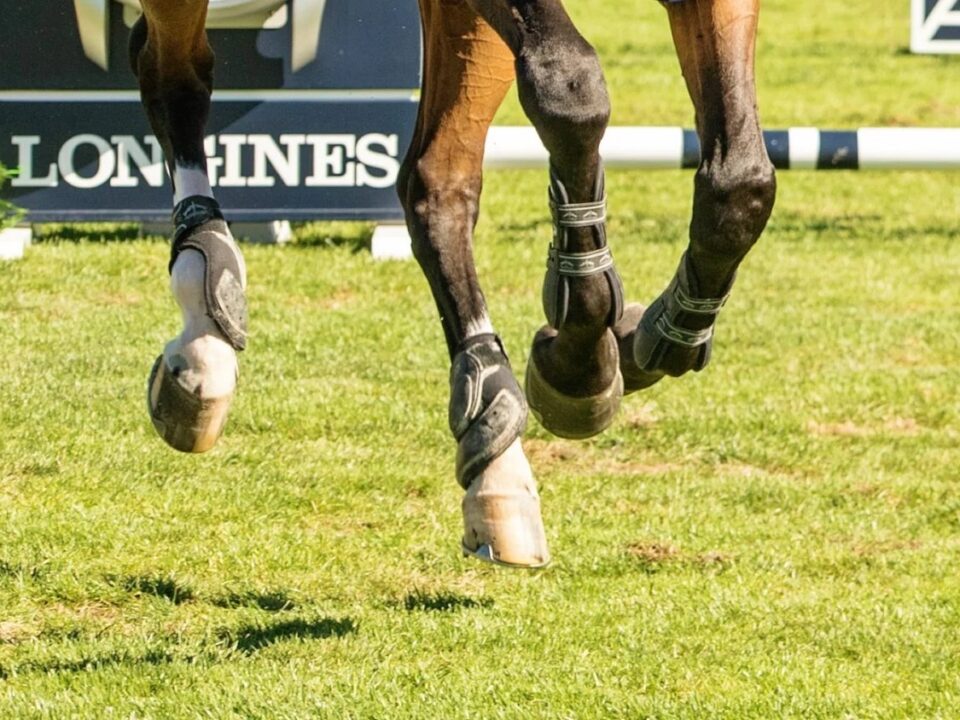
Because the legs move in diagonal pairs in trot, the inside hind is also off the ground. This is a very important moment in the stride because this is the only moment that we can influence the inside hind leg.

Why Do We Want to Influence the Inside Hind Leg?
When we rise at this moment, we are in fact encouraging the inside hind leg to step deeper underneath the body. We want that deeper step to:
• provide better overall balance on turns (less leaning in)
• carry more weight on the hind end (rather than the forehand)
• have more pushing power into the next phase of the stride
• support the horse's back through the movement
What if we don’t keep our diagonals evenly used?
Horses that have been ridden mainly on one diagonal feel uncomfortable and don’t like it when the rider changes to the other diagonal. They often start taking a shorter step to get the rider to change back to the diagonal they prefer. It takes perseverance from the rider to help strengthen the weaker hind leg, which is the root of the problem, by gradually increasing the use of both diagonals.
Is rising trot better than sitting trot?
When you’re working on improving the elasticity and looseness of your horse’s trot, it is best to ride in rising trot. This is especially true of young and inexperienced horses that don’t yet have the muscle and strength to carry the weight of a rider in the sitting trot.
Sitting on the horse’s back in trot when he hasn’t yet got the ability to keep his back raised can cause the horse’s back muscles to tighten and hollow away from you, destroying the quality of the paces and disturbing the rhythm.
In contrast, the rising trot enables the horse to relax his back, allowing the big muscles to swing and lift as the horse stretches forward to seek the bit. When all that happens, the horse’s strides become more elevated.
However, there is a place for sitting trot. If you have a more advanced horse and you are able to sit to the trot and follow the horse’s movement without hindering him, then sitting trot helpful. This is because sitting trot enables you to use your seat fully to create more engagement and upward spring to the horse’s paces. To do this, ride the trot with the feeling of being able to ‘lift’ your horse with a more vertical swing of your pelvis, without gripping with your legs.
In summary
As riders, we need to be aware of the influence we have on the horse when we are riding, and how this influence can be positive for the horse rather than hindering its movement and balance. We know that rising trot induces an asymmetrical loading pattern on the body and, this uneven loading is repeated with every single stride.
With this in mind, it is therefore important that whether we are schooling or hacking, we alternate between diagonals to even out the load.